What is the average life expectancy with darolutamide treatment?
Darolutamide, a non-steroidal androgen receptor antagonist, shows promise in improving life expectancy for prostate cancer patients, particularly those with non-metastatic castration-resistant prostate cancer. Clinical trials indicate significant benefits in overall and metastasis-free survival, with various factors influencing individual outcomes.
What is the Average Life Expectancy with Darolutamide Treatment?Darolutamide is a non-steroidal androgen receptor antagonist that has emerged as a promising therapeutic option for patients with prostate cancer, particularly in the context of non-metastatic castration-resistant prostate cancer (nmCRPC) and metastatic hormone-sensitive prostate cancer (mHSPC). This article aims to explore the average life expectancy associated with darolutamide treatment, taking into consideration clinical studies, patient demographics, and treatment protocols. Overview of Darolutamide Darolutamide, marketed under the brand name Nubeqa, was approved by the U. S. Food and Drug Administration (FDA) in July 2019 for the treatment of nmCRPC. Its mechanism of action involves the inhibition of androgen receptor signaling pathways, which are crucial for the growth and survival of prostate cancer cells. By effectively blocking these pathways, darolutamide aims to delay disease progression and extend survival. Clinical Trials and Efficacy Several pivotal clinical trials have investigated the efficacy of darolutamide. The ARAMIS trial, a phase III study, provided significant insights into the drug's impact on life expectancy. The study enrolled men with nmCRPC and assessed the efficacy of darolutamide compared to placebo.
These findings suggest that darolutamide not only prolongs the time to metastatic progression but also potentially enhances overall survival rates in the treated population. Average Life Expectancy with Darolutamide The average life expectancy for patients undergoing darolutamide treatment can vary based on several factors, including disease stage at diagnosis, patient age, comorbidities, and adherence to treatment protocols. However, data from clinical trials provide some estimates:
It is important to note that real-world data may show variability due to differences in patient populations and treatment adherence. Ongoing studies continue to evaluate long-term outcomes associated with darolutamide therapy. Factors Influencing Life Expectancy Several factors can influence the life expectancy of patients receiving darolutamide treatment:
Conclusion Darolutamide has demonstrated promising results in extending life expectancy for patients with prostate cancer, particularly in the nmCRPC setting. While average life expectancy can vary significantly based on individual patient factors, clinical trial data suggests that darolutamide can lead to meaningful improvements in overall survival. Future research and long-term studies will continue to elucidate the full impact of this therapy on patient life expectancy. In conclusion, darolutamide represents a significant advancement in the management of prostate cancer, offering hope for improved life expectancy and quality of life for affected individuals. As with any cancer treatment, a multidisciplinary approach involving urologists, oncologists, and supportive care teams is essential for optimizing patient outcomes. |
.webp "Baryumlu Mide Grafisi Nedir ve Nasıl Çekilir?")


.webp "Mide Krampları Belirtileri ve Tedavisi")
.webp "Mide Fıtığı Tedavisi")


.webp "Kronik Mide Bulantısı Belirtileri ve Tedavisi")
.webp "Oruçta Mide Hastalığı")





.webp "Ani Mide Ağrısı Belirtileri ve Tedavisi")
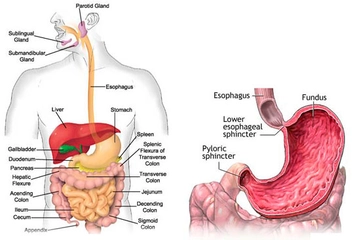



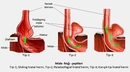









.webp "Mide Yanması Belirtileri ve Tedavisi")
.webp "Gastrit nedir?")

.webp "Mide Hastalıkları Bölümü Hangisidir?")

.webp "Sığla Yağı Mide İçin Kullanımı ve Faydaları Nelerdir?")


.webp "Mide İçin 10 Öneri")
.webp "Mide Ağrıları Belirtileri ve Tedavisi")
Darolutamide tedavisi gören bir hasta olarak, bu ilacın yaşam beklentisi üzerindeki etkilerini merak ediyorum. Özellikle ARAMIS deneyi gibi klinik çalışmaların sonuçları, tedavi alan hastaların yaşam süresinin uzaması konusunda nasıl bir veri sunuyor? Ayrıca, tedaviye yanıt veren hastaların yaşam beklentileri, hastalığın evresi ve diğer faktörler göz önüne alındığında ne kadar değişiklik gösterebilir? Gerçek hayatta bu verilerin nasıl bir yansıması olabilir?
Sayın Medid bey,
Darolutamide'nin metastatik olmayan kastrasyona dirençli prostat kanseri (nmCRPC) tedavisindeki etkinliğini değerlendiren ARAMIS çalışması, bu ilacın yaşam beklentisi üzerinde önemli olumlu etkiler gösterdi. Çalışmanın sonuçlarına göre:
ARAMIS Çalışması Bulguları
Darolutamide, plaseboya kıyasla metastaz gelişimini ortalama %59 oranında azalttı ve genel sağkalımda anlamlı bir iyileşme sağladı. Çalışmada darolutamide alan hastalarda ölüm riskinde %31'lik bir azalma gözlendi. Bu veriler, tedavinin hastaların yaşam süresini uzatabildiğini desteklemektedir.
Hastalık Evresi ve Diğer Faktörlerin Etkisi
Yaşam beklentisi değişiklikleri, hastalığın başlangıç evresi (PSA seviyeleri, Gleason skoru), hastanın genel sağlık durumu, yaş, eşlik eden hastalıklar ve tedaviye yanıt gibi faktörlere bağlı olarak kişiden kişiye değişiklik gösterebilir. Örneğin, düşük risk grubundaki ve erken evrede tedaviye başlayan hastalarda yaşam süresi uzaması daha belirgin olabilir.
Gerçek Hayat Yansıması
Klinik çalışma verileri, darolutamide ile tedavi edilen birçok hastanın metastaz gelişimini geciktirerek daha uzun ve kaliteli bir yaşam sürdürebildiğini göstermektedir. Ancak bireysel sonuçlar, hastanın özelliklerine ve tedavi uyumuna göre değişebilir. Bu nedenle, kendi durumunuzla ilgili en doğru bilgiyi takip eden onkoloji uzmanınızdan almanız önemlidir.