Who is advised against using torsemide for treatment?
Torsemide, a loop diuretic, is effective in treating heart failure, hypertension, and edema. However, certain individuals, such as those with hypersensitivity, severe electrolyte imbalances, or renal impairment, should avoid its use due to potential risks. Proper evaluation and monitoring are essential for safe treatment.
Torsemide is a loop diuretic that is primarily used in the management of conditions such as heart failure, hypertension, and edema associated with various medical conditions. While torsemide can be an effective treatment for many patients, certain populations may be advised against its use due to potential risks and contraindications. This article explores the groups of individuals that may be advised against using torsemide for treatment, as well as the reasons for these recommendations. 1. Individuals with Hypersensitivity to Torsemide Patients who have a known hypersensitivity or allergy to torsemide or other sulfonamide-derived medications are advised against using torsemide. The risk of an allergic reaction can lead to serious adverse effects, including anaphylaxis. 2. Patients with Severe Electrolyte Imbalance Torsemide can significantly alter electrolyte levels in the body, particularly potassium and sodium. Individuals with severe electrolyte imbalances, such as hypokalemia (low potassium) or hyponatremia (low sodium), should avoid torsemide until their levels are stabilized, as the medication can exacerbate these conditions and lead to serious complications. 3. Patients with Anuria Anuria, defined as the absence of urine production, is a contraindication for the use of torsemide. Patients who are unable to produce urine may not benefit from the diuretic effects of torsemide, and its use could lead to volume overload and worsening renal function. 4. Individuals with Severe Renal Impairment While torsemide is often used in patients with renal impairment, those with severe renal dysfunction (e. g., creatinine clearance less than 30 mL/min) may be advised against its use due to the potential for accumulation of the drug and an increased risk of adverse effects. Careful monitoring and dosage adjustments are essential in this population. 5. Patients with Hepatic Impairment Patients with severe hepatic impairment may also be advised against using torsemide. The liver is involved in the metabolism of many medications, including diuretics, and compromised liver function can alter the pharmacokinetics of torsemide, leading to potential toxicity. 6. Pregnant and Lactating Women The use of torsemide in pregnant or lactating women is generally discouraged unless the potential benefits outweigh the risks. There is limited data on the safety of torsemide during pregnancy, and its effects on fetal development are not well understood. 7. Patients with Uncontrolled Diabetes or Gout Torsemide can potentially worsen glucose control in patients with diabetes and may lead to hyperuricemia, exacerbating conditions like gout. Individuals with uncontrolled diabetes or a history of gout should be carefully evaluated before initiating treatment with torsemide. Conclusion In summary, while torsemide is an effective diuretic for many patients, certain populations should be advised against its use due to potential risks and adverse effects. It is crucial for healthcare providers to thoroughly evaluate each patient's medical history and current health status before prescribing torsemide. Ongoing monitoring and adjustments may also be necessary to ensure safe and effective treatment. Additional Considerations |
.webp "Baryumlu Mide Grafisi Nedir ve Nasıl Çekilir?")


.webp "Mide Krampları Belirtileri ve Tedavisi")
.webp "Mide Fıtığı Tedavisi")


.webp "Kronik Mide Bulantısı Belirtileri ve Tedavisi")
.webp "Oruçta Mide Hastalığı")



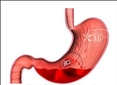

.webp "Ani Mide Ağrısı Belirtileri ve Tedavisi")
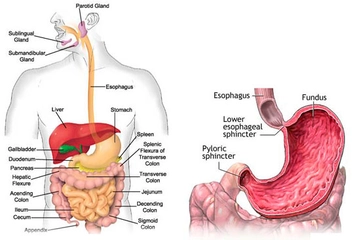



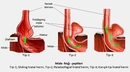







.webp "Mide Yanması Belirtileri ve Tedavisi")
.webp "Gastrit nedir?")


.webp "Mide Hastalıkları Bölümü Hangisidir?")

.webp "Sığla Yağı Mide İçin Kullanımı ve Faydaları Nelerdir?")


.webp "Mide İçin 10 Öneri")
.webp "Mide Ağrıları Belirtileri ve Tedavisi")