Does torsemide affect creatinine levels in patients?
Torsemide, a loop diuretic, plays a crucial role in managing conditions like heart failure and hypertension by promoting diuresis. This article examines its effects on renal function and creatinine levels, highlighting the complexities of its impact based on individual patient factors and treatment contexts.
Introduction Torsemide is a loop diuretic that is commonly used in the management of conditions such as heart failure, hypertension, and edema associated with renal or hepatic impairment. Its primary action is to promote diuresis by inhibiting the sodium-potassium-chloride co-transporter in the thick ascending limb of the loop of Henle, leading to increased excretion of sodium, potassium, and water. Given its pharmacological effects, there has been ongoing interest in understanding how torsemide may influence renal function, particularly creatinine levels, which serve as a key marker for kidney function in clinical practice. This article aims to explore the relationship between torsemide administration and creatinine levels in patients. Mechanism of Action of Torsemide Torsemide exerts its diuretic effect by blocking the reabsorption of sodium and chloride in the renal tubules. This action results in increased urine output and subsequently decreases fluid overload in patients with conditions such as heart failure. However, as a potent diuretic, torsemide may also influence renal hemodynamics and glomerular filtration rate (GFR). Impact of Torsemide on Creatinine Levels The relationship between torsemide use and creatinine levels is complex and can vary depending on several factors, including the underlying renal function of the patient, hydration status, and the presence of other comorbidities. The following points summarize the potential impacts:
Clinical Studies Several clinical studies have investigated the effects of torsemide on renal function and creatinine levels. A review of the literature indicates that:
Conclusion In summary, torsemide can influence creatinine levels in patients, with its effects being context-dependent. While it may cause a temporary increase in creatinine in some individuals, particularly during the initiation of therapy, long-term use in adequately monitored patients can lead to stabilization or improvement in renal function. Further research is warranted to fully elucidate the mechanisms by which torsemide affects renal parameters and to establish optimal management strategies in patients with varying degrees of renal function. Additional Considerations It is imperative for healthcare providers to monitor renal function, fluid status, and electrolytes regularly in patients receiving torsemide, particularly in vulnerable populations such as the elderly and those with chronic kidney disease. The integration of individualized patient assessments and careful titration of torsemide dosages can enhance therapeutic outcomes while minimizing the risk of adverse effects on renal function. |
.webp "Baryumlu Mide Grafisi Nedir ve Nasıl Çekilir?")


.webp "Mide Krampları Belirtileri ve Tedavisi")
.webp "Mide Fıtığı Tedavisi")


.webp "Kronik Mide Bulantısı Belirtileri ve Tedavisi")
.webp "Oruçta Mide Hastalığı")



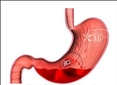

.webp "Ani Mide Ağrısı Belirtileri ve Tedavisi")
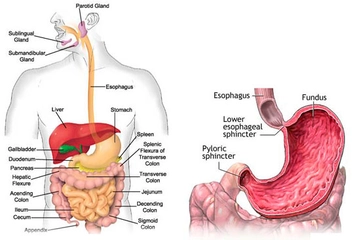











.webp "Mide Yanması Belirtileri ve Tedavisi")
.webp "Gastrit nedir?")

.webp "Mide Hastalıkları Bölümü Hangisidir?")

.webp "Sığla Yağı Mide İçin Kullanımı ve Faydaları Nelerdir?")


.webp "Mide İçin 10 Öneri")
.webp "Mide Ağrıları Belirtileri ve Tedavisi")
Torsemidin kullanımı hakkında bilgi edinmek oldukça önemli. Özellikle kalp yetmezliği veya böbrek rahatsızlığı olan hastalarda, torsemidin kreatinin seviyeleri üzerindeki etkilerini merak ediyorum. İlacın, böbrek fonksiyonları üzerinde geçici bir artışa neden olabileceği belirtiliyor. Bu, tedaviye başlandığında normal mi? Uzun vadede torsemidin böbrek fonksiyonunu iyileştirebileceği iddia ediliyor. Bu durum gerçek hayatta nasıl bir etki yaratıyor? Ayrıca, sıvı dengesi ve elektrolit izlemeleri de önemli gibi görünüyor. Torsemid kullanırken bu unsurları nasıl yönetmek en iyisi?
Sayın Ahid Bey, torsemidin kullanımı ve böbrek fonksiyonları üzerindeki etkileri hakkındaki sorularınızı aşağıdaki şekilde yanıtlayabilirim:
Torsemidin Kreatin Üzerindeki Etkisi
Torsemidin başlangıcında kreatinin seviyelerinde hafif bir artış gözlenmesi beklenen bir durumdur. Bu, ilacın diüretik etkisiyle vücuttaki sıvı hacminin azalmasından kaynaklanır. Böbreklerin süzme basıncı geçici olarak değişebilir, ancak bu genellikle tedaviye uyum sağlandıkça dengelenir. Kalp yetmezliği veya böbrek rahatsızlığı olan hastalarda bu durum dikkatle izlenmelidir.
Uzun Vadeli Böbrek Fonksiyonuna Etkisi
Torsemidin doğrudan böbrek fonksiyonunu iyileştirdiğine dair kesin bir kanıt bulunmamaktadır. Ancak, özellikle kalp yetmezliğinde sıvı birikimini azaltarak böbreklere gelen kan akışını düzenleyebilir ve dolaylı olarak böbrek sağlığını destekleyebilir. Uzun vadede, altta yatan hastalığın kontrol altına alınmasına yardımcı olarak böbrek fonksiyonlarının korunmasına katkıda bulunabilir. Gerçek hayatta bu, ödemin azalması ve semptomların hafiflemesi şeklinde kendini gösterir.
Sıvı Dengesi ve Elektrolit Yönetimi
Torsemid kullanırken sıvı dengesi ve elektrolit seviyelerini yönetmek için şu adımlar önerilir:
- Düzenli olarak potasyum, sodyum ve kreatinin seviyelerini kontrol ettirin.
- Hekiminizin önerdiği sıvı alımına uyun, aşırı sıvı tüketiminden kaçının.
- Beslenmenizde elektrolit dengesine dikkat edin; gerekirse potasyum takviyesi veya kısıtlaması yapın.
- İlaç dozunu asla kendi başınıza değiştirmeyin ve yan etkileri (halsizlik, kas krampları vb.) hemen bildirin.
Bu süreçte hekiminizle düzenli iletişim halinde olmanız, tedavinin güvenli ve etkili şekilde ilerlemesi için kritiktir.