What is the maximum daily dose of furosemide for ıv use?
Furosemide, a loop diuretic, is crucial for managing conditions like heart failure and edema. This article discusses its maximum daily intravenous dose, clinical considerations, and potential side effects, emphasizing the importance of tailored treatment based on patient response and renal function.
Introduction Furosemide, a potent loop diuretic, is widely used in clinical settings for the management of conditions such as heart failure, renal impairment, and edema. The administration of furosemide can be accomplished via various routes, including oral and intravenous (IV) administration. This article aims to elucidate the maximum daily dose of furosemide when administered intravenously, alongside considerations for its clinical use and potential side effects. Understanding Furosemide Furosemide works primarily by inhibiting the sodium-potassium-chloride co-transporter in the thick ascending limb of the loop of Henle in the nephron. This action promotes diuresis, leading to an increase in urine output and a decrease in fluid overload, which is particularly beneficial in patients with congestive heart failure or nephrotic syndrome. Maximum Daily Dose of Furosemide for IV Use The maximum daily dose of furosemide for IV use can vary depending on several factors, including the patient's clinical condition, renal function, and overall response to the medication. However, general guidelines suggest the following:
Clinical Considerations When administering furosemide intravenously, it is essential to consider the following clinical aspects:
Potential Side Effects Furosemide, while effective, is associated with a range of potential side effects that clinicians should be aware of:
Conclusion The maximum daily dose of furosemide for IV use varies depending on the patient's clinical scenario and response to treatment. While doses can reach up to 600 mg per day in acute and severe cases, careful monitoring and adjustments based on renal function and electrolyte status are paramount. As with any medication, the benefits must be weighed against potential risks, making clinical judgment and patient-specific considerations critical in the management of conditions requiring furosemide therapy. Extra Information For further reading and to ensure safe and effective use of furosemide, healthcare professionals are encouraged to consult the latest clinical guidelines and pharmacotherapy resources. Continuous education and awareness of evolving research are essential in optimizing patient outcomes in those requiring diuretic therapy. |
.webp "Baryumlu Mide Grafisi Nedir ve Nasıl Çekilir?")


.webp "Mide Krampları Belirtileri ve Tedavisi")
.webp "Mide Fıtığı Tedavisi")


.webp "Kronik Mide Bulantısı Belirtileri ve Tedavisi")
.webp "Oruçta Mide Hastalığı")





.webp "Ani Mide Ağrısı Belirtileri ve Tedavisi")









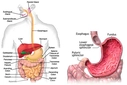

.webp "Mide Yanması Belirtileri ve Tedavisi")
.webp "Gastrit nedir?")
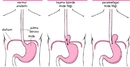
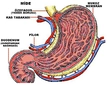

.webp "Mide Hastalıkları Bölümü Hangisidir?")

.webp "Sığla Yağı Mide İçin Kullanımı ve Faydaları Nelerdir?")


.webp "Mide İçin 10 Öneri")
.webp "Mide Ağrıları Belirtileri ve Tedavisi")
Furosemid kullanımıyla ilgili deneyimlerinizi paylaşır mısınız? Özellikle intravenöz uygulamada maksimum günlük doz hakkında ne düşünüyorsunuz? Kendi durumunuzda, bu ilaçla karşılaştığınız yan etkiler veya dikkate almanız gereken klinik unsurlar nelerdi? Düşüncelerinizi merak ediyorum.
Sayın Leys Bey,
Furosemid kullanımına dair deneyimlerimi paylaşmak isterim. Öncelikle belirtmeliyim ki bu ilaç ödem kontrolünde oldukça etkili, ancak dikkatli kullanım gerektiriyor.
İntravenöz Maksimum Doz
IV uygulamada maksimum günlük dozun hastanın klinik durumuna göre değiştiğini gözlemledim. Genellikle 240-360 mg'ı geçmemekle birlikte, refrakter ödem durumlarında bu dozun üzerine çıkılabildiğine şahit oldum. Ancak bu kararı mutlaka doktorun vermesi gerekiyor.
Karşılaştığım Yan Etkiler
- Hipokalemi en sık rastladığım yan etki oldu
- Dehidratasyon bulgularına dikkat etmek gerekti
- Hızlı IV uygulamada geçici işitme kaybı gözlemledim
- Kan basıncında dalgalanmalar yaşandı
Klinik Unsurlar
- Elektrolit takibinin düzenli yapılması şart
- Böbrek fonksiyon testlerinin monitorizasyonu önemli
- Diürez miktarının kaydı ve sıvı-elektrolit dengesinin korunması
- Diğer ilaçlarla etkileşimlere dikkat (özellikle digoksin ve aminoglikozidler)
Unutulmamalı ki bu ilaç kişiye özel dozaj gerektiriyor ve kendi deneyimlerim genel bilgiden ibarettir. Her hasta için tedavi planı doktor tarafından bireysel olarak belirlenmelidir.