What safety measures are necessary for teriflunomide use in pregnancy?
Teriflunomide, a medication for multiple sclerosis, raises crucial safety concerns in pregnancy due to its potential risks to fetal development. This overview highlights essential precautions, including pre-pregnancy counseling, effective contraception, and management strategies if pregnancy occurs, ensuring the well-being of both mother and child.
What Safety Measures are Necessary for Teriflunomide Use in Pregnancy?Teriflunomide, a disease-modifying therapy used primarily in the management of multiple sclerosis (MS), has garnered significant attention regarding its safety profile during pregnancy. Given the potential teratogenic effects and the significant implications for fetal development, it is imperative to explore the safety measures necessary for its use during this critical period. This article aims to elucidate the essential precautions and guidelines surrounding teriflunomide use in pregnant individuals. Understanding Teriflunomide Teriflunomide functions as an immunomodulatory agent that inhibits the enzyme dihydroorotate dehydrogenase, crucial for the de novo synthesis of pyrimidines. This mechanism effectively reduces the proliferation of activated lymphocytes, thereby mitigating the autoimmune processes characteristic of multiple sclerosis. Despite its efficacy, the pharmacological properties of teriflunomide necessitate careful consideration in the context of pregnancy. Potential Risks of Teriflunomide in Pregnancy The use of teriflunomide during pregnancy poses several risks, chiefly its potential teratogenic effects. Animal studies have indicated that teriflunomide can lead to malformations, particularly affecting the skeletal and craniofacial structures. The following risks are noteworthy:
Given these risks, comprehensive safety measures are essential to mitigate potential adverse outcomes for both the mother and the fetus. Pre-Pregnancy Counseling Prior to conception, thorough counseling is vital for individuals of childbearing potential who are on teriflunomide therapy. This counseling should encompass:
Such preconception counseling aids in informed decision-making and emphasizes the importance of planning for pregnancy. Effective Contraception It is crucial for females of reproductive age to utilize effective contraception while on teriflunomide therapy. Recommendations include:
These measures are essential to prevent unintended pregnancies during teriflunomide treatment. Managing Teriflunomide During Pregnancy If pregnancy occurs while on teriflunomide, immediate medical consultation is necessary. The following steps should be taken:
Timely intervention can substantially reduce the risk of teriflunomide-related complications. Post-Pregnancy Considerations After delivery, considerations regarding teriflunomide resumption include:
Continued communication between the patient and healthcare providers is vital to ensure both maternal and infant health. Conclusion The use of teriflunomide during pregnancy necessitates a multifaceted approach to safety. Pre-pregnancy counseling, effective contraception, and vigilant management during and after pregnancy are critical to minimize risks associated with this medication. Ongoing research and patient education remain paramount to ensure informed and safe therapeutic choices for individuals with multiple sclerosis. References 1. Kappos L., & Coyle P. (2017). Teriflunomide in multiple sclerosis: safety and efficacy. Multiple Sclerosis Journal, 23(2), 171-182. 2. Chahin S., & Cohen J. A. (2015). Pregnancy and reproductive issues in multiple sclerosis. Neurology, 84(24), 2392-2400. 3. Tzeng R. C., & Kuo H. H. (2019). Teriflunomide and pregnancy: A review of current literature. Current Neurology and Neuroscience Reports, 19(7), 53. |
.webp "Baryumlu Mide Grafisi Nedir ve Nasıl Çekilir?")


.webp "Mide Krampları Belirtileri ve Tedavisi")
.webp "Mide Fıtığı Tedavisi")


.webp "Kronik Mide Bulantısı Belirtileri ve Tedavisi")
.webp "Oruçta Mide Hastalığı")






.webp "Ani Mide Ağrısı Belirtileri ve Tedavisi")



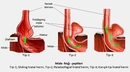








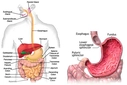


.webp "Mide Yanması Belirtileri ve Tedavisi")
.webp "Gastrit nedir?")
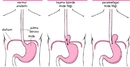



.webp "Mide Hastalıkları Bölümü Hangisidir?")

.webp "Sığla Yağı Mide İçin Kullanımı ve Faydaları Nelerdir?")


.webp "Mide İçin 10 Öneri")
.webp "Mide Ağrıları Belirtileri ve Tedavisi")